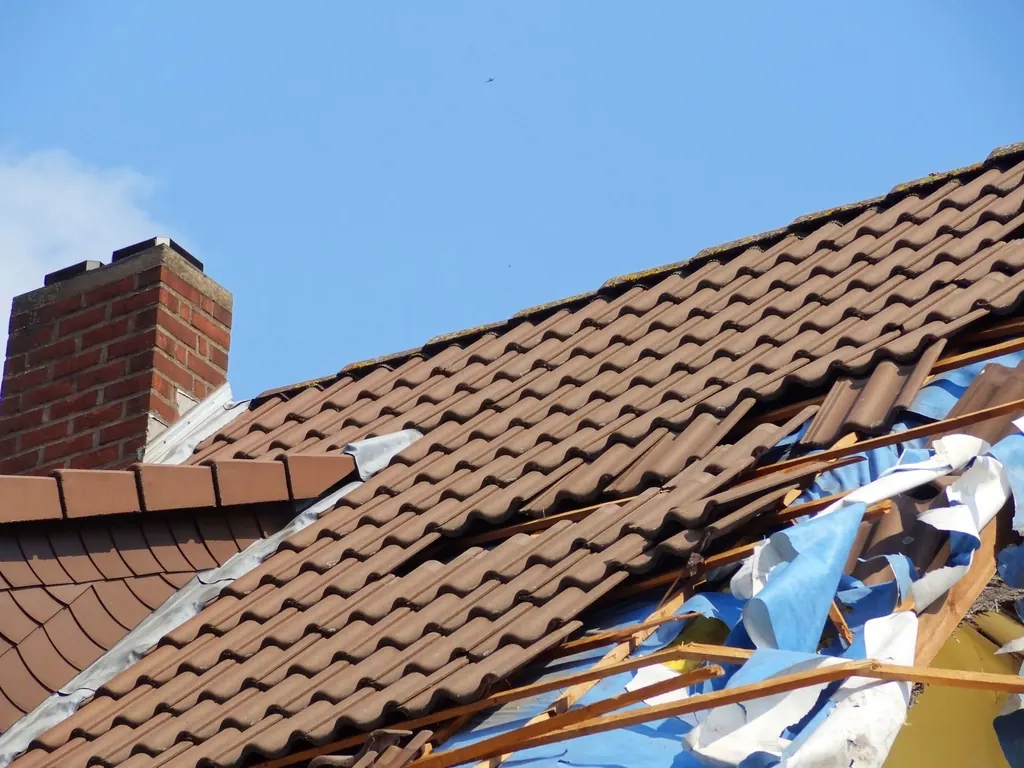
Few claim disagreements are as visible as a matching dispute. A hailstorm damages one slope of a roof, a fallen limb tears a section of vinyl siding, or a burst pipe ruins flooring in one room of an open floor plan. The carrier offers to replace only the damaged pieces. The homeowner points out that the new materials will not match what remains, leaving the house looking patched. Who is right depends partly on the policy and partly on the facts, and it helps to separate those two questions early.
Coverage questions versus amount-of-loss questions
Matching disputes often mix two different issues:
- A coverage question: does the policy require the insurer to pay for replacing undamaged materials to achieve a reasonably uniform appearance? The answer depends on the policy wording, any matching endorsement or limitation, and North Carolina law. That is a question for the insurer and, if disputed, a North Carolina attorney.
- An amount-of-loss question: given the policy terms, what does it actually cost to repair the damage properly? Can a match be found? How far must repairs extend to reach a natural break? What does that work cost?
Appraisal panels deal with the second category. Some policies and courts allow appraisers to address the extent of repair needed to restore the property, including matching; others treat matching as a coverage issue for the courts. Your policy wording matters, so read it and get legal advice if coverage is contested.
Roofs and discontinued shingles
Roofing is where matching comes up most. Shingle lines are reformulated and discontinued over time, colors change with production runs, and even the same product weathers differently after years of sun. A small repair with new shingles can stand out sharply against an older roof.
Disputes typically turn on:
- Whether the existing shingle is still manufactured in the same size, profile and color.
- Whether a different product can blend acceptably with the existing roof.
- Whether repair is feasible without damaging surrounding shingles, especially on brittle older roofs.
- Whether a full slope, or the whole roof, must be replaced to achieve a reasonable match.
How appraisers document a roof match
We document shingle identification carefully: measuring exposure and dimensions, noting markings on the back of a removed shingle when one is available, photographing color and granule pattern in good light, and checking manufacturer and supplier information on whether the product is still made. Where a repair test is appropriate, a brittleness or lift test can show whether shingles crack when handled. Our roof and hail loss appraisal page explains more.
Siding
Vinyl, fiber cement and wood siding all fade and weather. Profiles change, and a manufacturer may no longer make the exact pattern, reveal or color. When only a portion of a wall is damaged, the question is how far replacement must run to avoid an obvious mismatch. Natural breaks such as inside and outside corners, windows and doors often define a reasonable repair boundary.
Appraisers document the existing profile, measure the reveal, photograph faded and protected areas side by side, and gather supplier confirmation about availability. Clear photos of the damaged wall alongside the adjoining elevations help a panel judge whether a repair will stand out.
Flooring
Hardwood, laminate, luxury vinyl plank and tile frequently run continuously from room to room without thresholds. Replacing flooring in one room can leave a visible line where new meets old, or may be physically impossible if the product is discontinued and planks lock together. Appraisers note where the flooring is continuous, where natural breaks such as doorways with transitions exist, and whether matching material is available.
Illustrative example: if water damages flooring in a kitchen that flows without a transition into a dining room and hallway, an estimate that replaces only the kitchen may not reflect a workable repair. Documenting the continuous run and product availability gives the panel a basis to value the realistic scope.
Building a matching file
Whether you are negotiating with the adjuster or heading into appraisal, a strong matching file includes:
- Photos of the damaged area and the adjoining undamaged areas, taken in consistent light.
- Product identification: brand, line, color, size and profile if known.
- Written confirmation from suppliers or manufacturers on availability.
- Contractor opinion on repair feasibility and the natural break points.
- A copy of the policy language on loss settlement and any matching endorsement.
Where matching fits in the estimate
On the estimate, matching shows up as additional line items: removing and replacing undamaged sections, extra squares of roofing, more siding or flooring, plus related labor such as trim, underlayment or baseboards. Because these items can be large, they often account for a big share of the gap between estimates. Our settlement gap estimator can help you see how much of your dispute turns on matching.
How we approach matching
We keep our analysis on the facts and costs: what the damaged material is, whether it can be matched, and what a realistic repair costs. When a carrier says its policy does not pay for matching at all, we will tell you that is a coverage issue and suggest you consult a North Carolina attorney. When the dispute is about how far repairs must go and what they cost, that is squarely the kind of work an appraisal panel does, and we can serve as your appraiser. See our insurance terms page for related definitions.