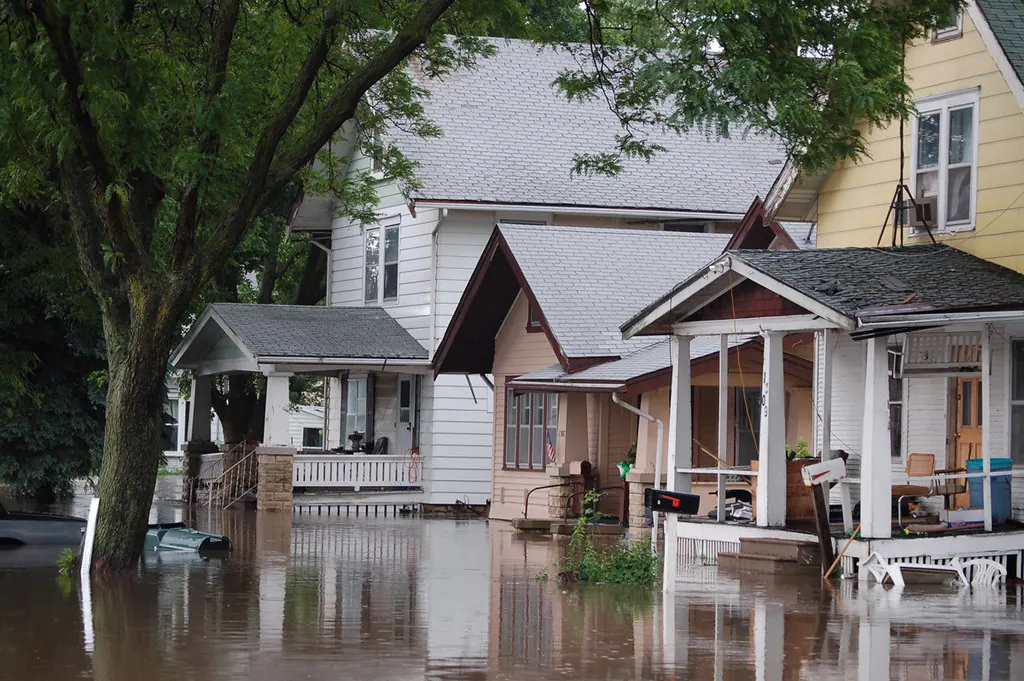
North Carolina has a long memory for hurricanes: Hazel in 1954, Hugo in 1989, Fran in 1996, Floyd in 1999, and more recently Matthew in 2016, Florence in 2018 and Helene in 2024. Each storm brought a different mix of wind and water. Florence stalled and dumped extraordinary rain across the coastal plain. Helene tore through the mountains with flooding and landslides far from any coastline. In both cases, many homeowners discovered that the question of whether damage came from wind or flood decided which policy, if any, would pay.
Why the distinction matters so much
A standard homeowners policy typically covers windstorm damage, subject to any wind or named-storm deductible, but excludes flood. Flood coverage usually comes from a separate policy, most often through the National Flood Insurance Program, with its own limits, deductibles, claim procedures and deadlines. Some homes have both policies; many inland homes affected by Helene had neither flood policy nor any reason to expect they would need one.
When a single house shows a torn roof, wet ceilings, a waterline on the walls and a ruined crawlspace, each piece of damage has to be attributed to a cause. The answer determines whether the homeowners carrier, the flood insurer or neither is responsible for each line of the repair.
Anti-concurrent causation in general terms
Many homeowners policies include what is often called anti-concurrent causation language. In general terms, it says that if an excluded cause, such as flood, contributes to a loss together with a covered cause, the loss may be excluded regardless of which happened first. How that language applies to a particular set of facts is a legal and coverage question, and courts have not always treated it the same way. We do not interpret policies; if anti-concurrent language is part of your dispute, a North Carolina attorney should review it.
What we can say is that clear evidence about which damage came from which force makes every one of those conversations easier, and it is the foundation of any later valuation.
Reading the house for evidence
Wind and water leave different signatures. Experienced estimators look for patterns such as:
- Wind indicators. Missing or creased shingles, lifted flashing, damaged ridge caps, displaced siding, broken windows from debris, and interior water staining that starts at the ceiling and spreads downward.
- Flood indicators. A consistent horizontal waterline on walls, silt and mud deposits, saturated insulation from the bottom up, buckled floors and damage concentrated at lower levels.
- Mixed areas. Rooms with both ceiling stains and floor-level water need careful separation, often wall by wall and material by material.
Our wind and flood damage splitter lets you organize line items by likely cause before you talk to either carrier.
Documentation that holds up
The most useful evidence is gathered before cleanup starts, which is hard when you are worried about mold and your family needs a place to stay. Even so, a few minutes of documentation can matter for the life of the claim:
- Photograph the waterline in every affected room, with a tape measure showing its height.
- Capture the roof and exterior from every side, including any fallen trees or debris.
- Photograph ceilings and upper walls separately from floors and lower walls.
- Keep samples or photos of removed drywall, flooring and insulation before disposal.
- Save receipts for tarps, pumps, fans, dehumidifiers and remediation services.
- Write down what you observed during the storm, such as when leaks started and when water entered.
Report the claim to each potentially responsible insurer promptly. Flood and homeowners policies have separate notice and proof-of-loss requirements, and NFIP proof-of-loss timing in particular is strict, so read each policy and follow its instructions closely.
Where appraisal fits, and where it doesn’t
Appraisal is built to resolve disagreements about the amount of loss. Suppose your homeowners carrier accepts that wind tore off part of the roof and let rain into the upstairs bedrooms, but its estimate for that work seems far too low. That is a classic appraisal dispute: square counts, pitch charges, underlayment, interior drywall, paint and the cost of matching materials.
Appraisal is a weaker fit when the core disagreement is whether a cause of loss is covered at all, for example when the carrier says the entire loss was flood and excluded. Some policies and courts allow appraisers to allocate damage between causes as part of measuring the loss; others treat causation as a coverage question beyond the panel’s authority. That boundary depends on your policy wording and the law, so get legal advice before assuming appraisal can resolve a causation dispute.
NFIP flood policies have their own appraisal provisions and dispute procedures that differ from homeowners policies. Review the flood policy’s language separately and follow its timelines.
Deductibles add another layer
Coastal homeowners policies often carry named-storm or hurricane deductibles expressed as a percentage of the dwelling limit. Illustrative example: on a dwelling limit of $300,000, a 2 percent named-storm deductible would be $6,000, while a 5 percent deductible would be $15,000. That can make a modest wind claim fall below the deductible entirely. Our named-storm deductible calculator shows how your own percentage plays out.
How we approach storm files
On hurricane claims, we focus on building a clear, line-item record of the damage and its likely source so that each carrier’s responsibility is visible. When the dispute is about value, we can serve as your appraiser on the panel. When it is about coverage, we will tell you so and suggest you speak with a North Carolina attorney. Our hurricane and tropical storm claims page explains that work in more detail.