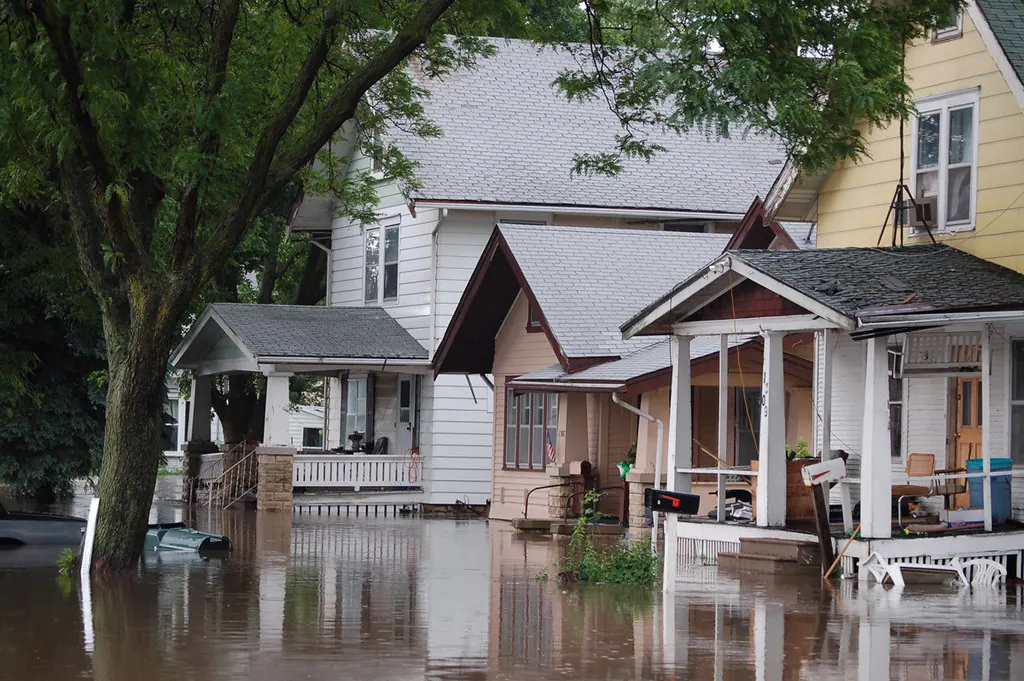
Greenville at a glance
- Tar River flooding
- Hurricane winds
- Tornado warnings
- Rental property damage
- Fallen pines
Housing: Greenville includes early-twentieth-century homes near East Carolina University, a large concentration of student rental houses and apartment complexes, mid-century brick ranches, newer subdivisions toward Winterville and rural farmhouses across Pitt County.
Where we work: Uptown Greenville, College View, Tar River area, Brook Valley, Winterville, Ayden, Simpson, Grimesland, Farmville
Life along the Tar River
For Greenville, Hurricane Floyd in 1999 remains the defining storm. Floyd’s rain fell on ground already saturated by Hurricane Dennis, and the Tar River rose to record levels, flooding neighborhoods, farmland and businesses across Pitt County. Matthew in 2016 brought the river up again. Both events taught the same lesson: in eastern North Carolina, river flooding can follow a storm by days, long after the wind has passed.
That timing matters for claims. Wind damage to roofs and siding from a hurricane or severe thunderstorm is usually handled under a homeowners or dwelling policy. Rising floodwater is generally excluded from those policies and covered, if at all, by a separate flood policy through the NFIP or a private carrier. Owners with both types of damage need careful documentation that distinguishes wind from water.
A city shaped by East Carolina University
ECU’s presence gives Greenville one of the largest concentrations of student rental housing in the state. Older homes near campus and in College View have been converted into rentals, and apartment and townhome complexes spread out along major roads. Many landlords own multiple properties and carry dwelling or landlord policies rather than standard homeowners policies.
Those properties create distinct claim questions. Was damage caused by the storm or by tenants? What was the condition of the property before the loss? Is loss of rent covered, and for how long? Turnover between leases can complicate documentation, so photographs and inspection records become important.
Building types we see in Pitt County
Older homes near Uptown and campus have plaster, hardwood floors and wood windows. Mid-century brick ranches are common across the city. Newer subdivisions in Winterville and Brook Valley have vinyl siding and architectural shingles where matching becomes the main issue. In rural parts of the county, farmhouses and outbuildings such as barns and equipment sheds add specialty items.
Typical sources of disagreement
- Wind versus flood allocation after hurricanes.
- Tenant wear and tear versus storm or water damage.
- Loss-of-rent duration and amount on landlord policies.
- Roof repair versus replacement after tall pines fall.
- Outbuildings and farm structures priced too low.
- Drying and mold remediation after prolonged moisture.
Appraisal for Greenville owners and landlords
If your insurer has accepted a claim and you disagree only about the amount, appraisal may be available under your policy. Typically each side selects an appraiser, the appraisers choose an umpire and an agreement between two of the three determines the amount of loss. Appraisal does not decide coverage issues, and it is not legal representation.
We act as party appraisers, umpires and estimate reviewers. For landlords with several damaged properties, we can review each estimate and identify which claims have a meaningful gap worth pursuing.
Our Pitt County service area
We serve Greenville, including Uptown, College View, the areas along the Tar River and Brook Valley, along with Winterville, Ayden, Simpson, Grimesland, Farmville and surrounding parts of Pitt County.
Storm history around Greenville
- 1999Hurricane FloydFloyd’s rainfall drove the Tar River to record levels, flooding large parts of Greenville and Pitt County and devastating nearby Princeville.
- 2016Hurricane MatthewMatthew’s rainfall again pushed the Tar River above flood stage, threatening low-lying neighborhoods in Greenville.
Services available in Greenville
Every North Carolina Insurance Appraiser service is available to property owners in Greenville and across Pitt County:
- Appraisal Panel Representation
- Residential Claim Disputes
- Commercial, HOA & Condo Claims
- Roof & Hail Loss Appraisal
- Wind & Tornado Loss Appraisal
- Hurricane & Tropical Storm Claims
- Water & Plumbing Loss Appraisal
- Fire & Smoke Loss Appraisal
- Ice Storm & Freeze Damage
- Carrier Estimate Audit
- Neutral Umpire Services
Questions from Greenville property owners
I own several student rentals near ECU. Can appraisal help with more than one property?
Each property and claim is typically handled separately under its policy, but we can review all of the estimates together and identify where the gaps are meaningful. If appraisal is invoked on more than one claim, the process runs for each, though coordinating inspections and documentation can make it more efficient.
The insurer says damage at my Greenville rental was tenant wear, not storm damage. What can I do?
Appraisers routinely distinguish storm or water damage from wear and tear when determining the amount of loss. Photos from move-in inspections and maintenance records help. If the dispute is whether any damage is covered at all, however, that is a coverage question outside appraisal, and we will tell you if that applies.
Does a Pitt County homeowners policy cover Tar River flooding?
Standard homeowners policies generally exclude flood damage from rising water. Flood coverage is usually purchased separately through the NFIP or a private flood insurer. If you have flood coverage, disputes over the amount of a flood claim are handled under that policy’s own terms, which may differ from homeowners appraisal provisions.